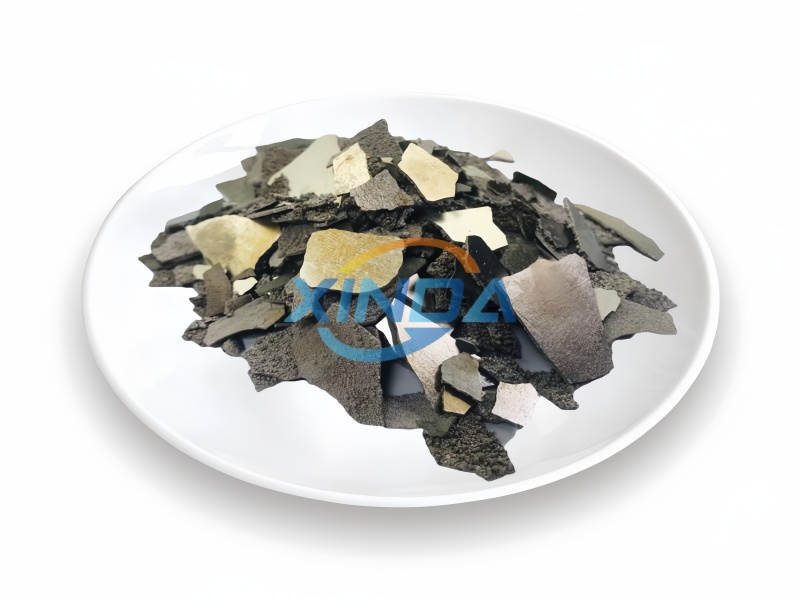
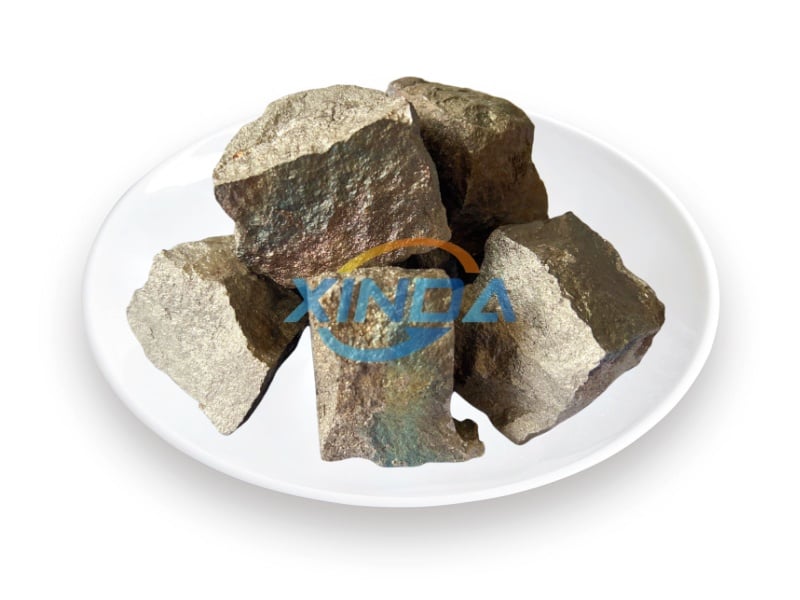
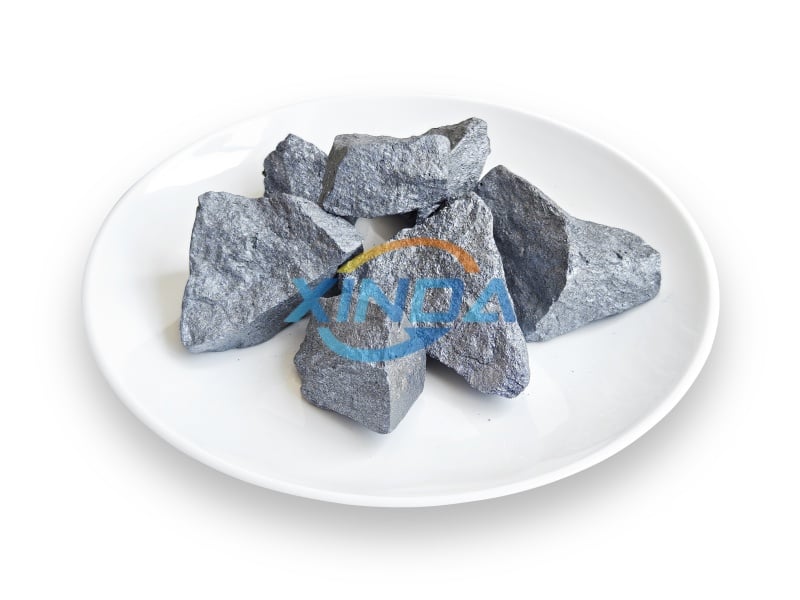
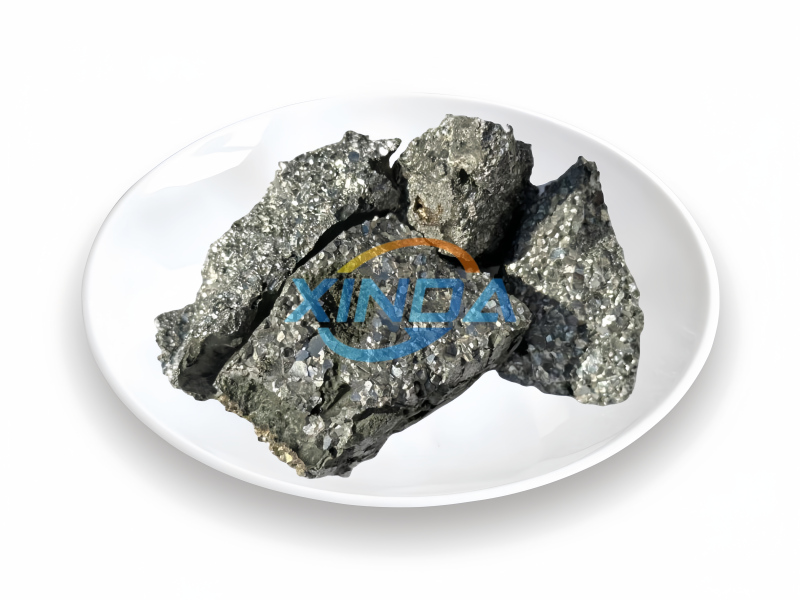
Manganese is a pure metal used in everything from steel to batteries. Pure manganese can have the price fluctuation up-and-down a lot, and it can impact a lot of different things. We discuss what causes pure manganese price to change, and the potential impact on the world.
The value of pure manganese varies for any number of reasons. One is that there may not be enough pure manganese to go around, so the price goes up. On the flip side, if there is an abundance of pure manganese on the market, price might drop.
There’s a big thing that can affect the price of pure manganese: The extent to which people need it. If lots of people want pure manganese to make steel, the price will rise. A further consideration is how much pure manganese exists to be mined from the ground. If there’s not much left to mine, the price will naturally rise.
Because pure manganese is in demand around the globe, there are a lot of people who want it. Countries like China and India consume a lot of pure manganese since they produce a lot of steel. All of this can affect the price of pure manganese around the planet. Supplying the pure manganese would also depend on how much she could dig out of the ground. If a lot of mines are making pure manganese, the supply is high, and the price is low.
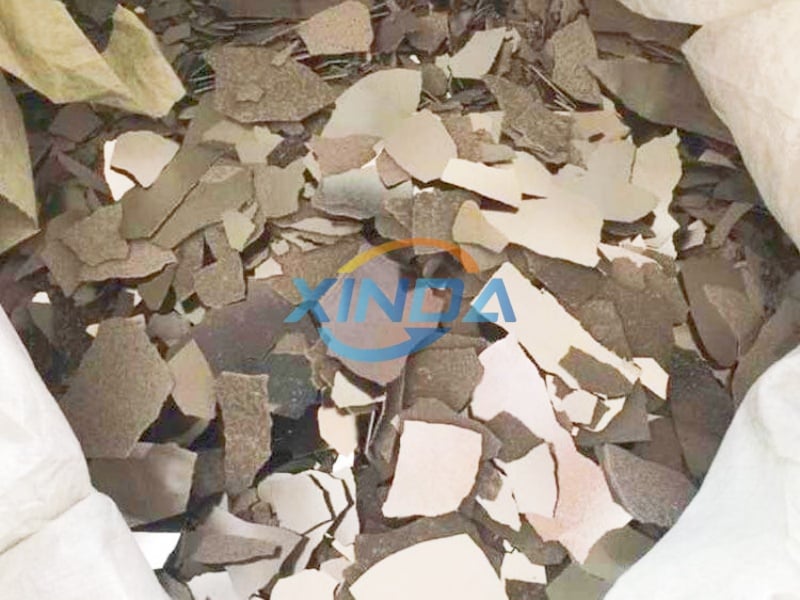
Demanding industrial trends are also altering the price of pure manganese. If innovative technology calls for pure manganese, demand will rise and the price will, too. If more electric cars are being mass-produced, the demand for batteries (which use pure manganese) would rise, causing the price of pure manganese to go up.
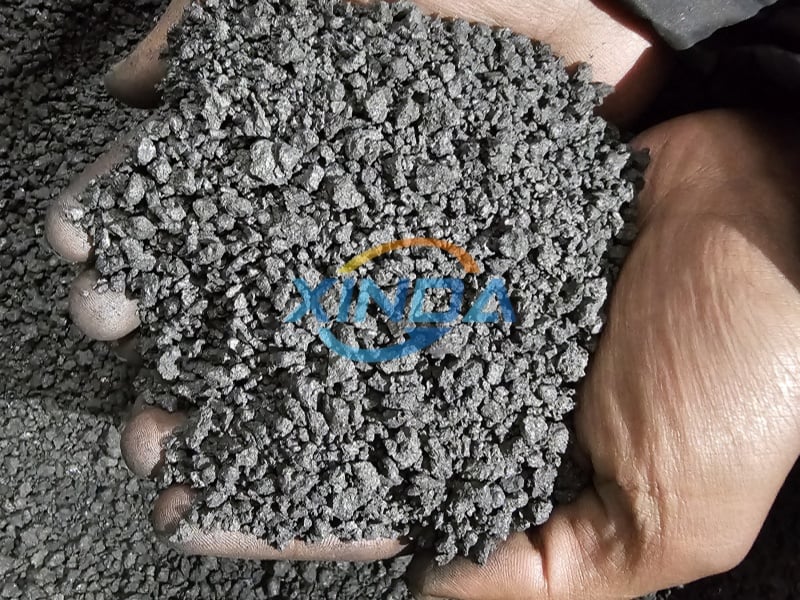
It’s difficult to predict how much the price of pure manganese will fluctuate in the future. But we can make some educated guesses by examining factors such as demand, supply and industrial trends. If more countries begin using pure manganese for things like batteries, the price could increase. But if new sources to find pure manganese are identified, the price may decrease.
Xinda has 10 years' experience in exporting provides professional services customers. provide all kinds of custom-made products meet specific requirements, like, size, packaging, more. are equipped with most comprehensive set of modern production equipment as well as the secure logistics system will ensure a smooth speedy delivery at final pure manganese price within the stipulated time.
Xinda is accredited through ISO9001, SGS other certification. have latest and most complete chemical inspection analysis equipment tested analytical methods that offer unambiguous guarantee for the production top-quality products. Strict incoming inspection control of raw materials. Make prior to production, during production, and final pure manganese price inspection. We support third-party SGS, BV, AHK).
Xinda Industrial a professional ferro alloy manufacturer, situated in key iron ore pure manganese price zone, we benefit from unique resource advantage. Our facility covers space 30,000 sq meters with registered capital of 10 million RMB. Established for over 25 years, company home to four submerged arc furnaces four refinery furnaces. have over 10years export experience have earned the trust of its customers.
Xinda manufacturer concentrates on silicon series such as ferrosilicon. calcium silica and ferro silicon magnesium. chrome, high carbon silicon, silica slag, and so on. warehouse has around 5,000 tones. long-term relationships with various steel mills distributors both locally overseas. Covering more than 20 countries regions across the globe, which includes Europe, Japan, South Korea, India, and pure manganese price.
 EN
EN
 AR
AR
 NL
NL
 FR
FR
 DE
DE
 HI
HI
 IT
IT
 JA
JA
 KO
KO
 PT
PT
 RU
RU
 ES
ES
 TL
TL
 ID
ID
 SR
SR
 UK
UK
 VI
VI
 TH
TH
 TR
TR
 FA
FA
 MS
MS
 BE
BE
 AZ
AZ
 UR
UR
 BN
BN
 GU
GU
 JW
JW
 KM
KM
 LO
LO
 LA
LA
 NE
NE
 PA
PA
 TA
TA
 TE
TE
 MY
MY
 UZ
UZ
 KU
KU
 KY
KY
 LB
LB
 SD
SD