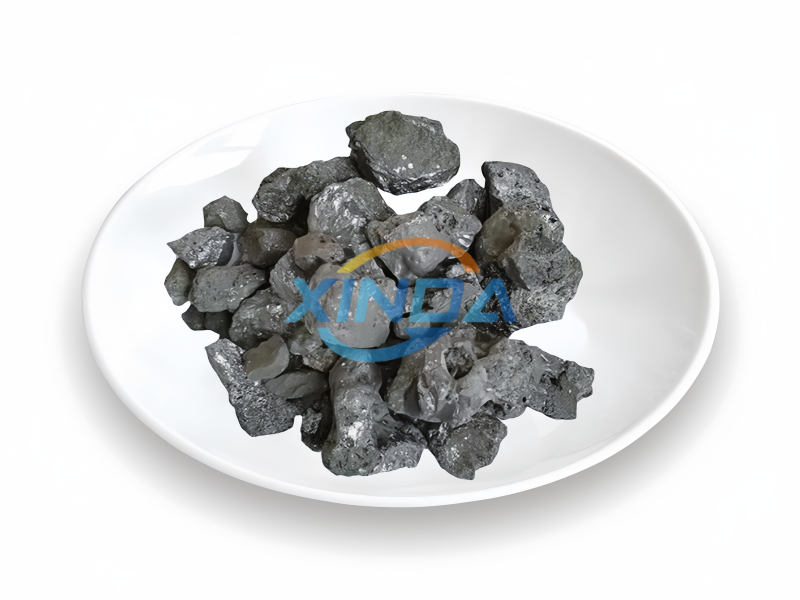
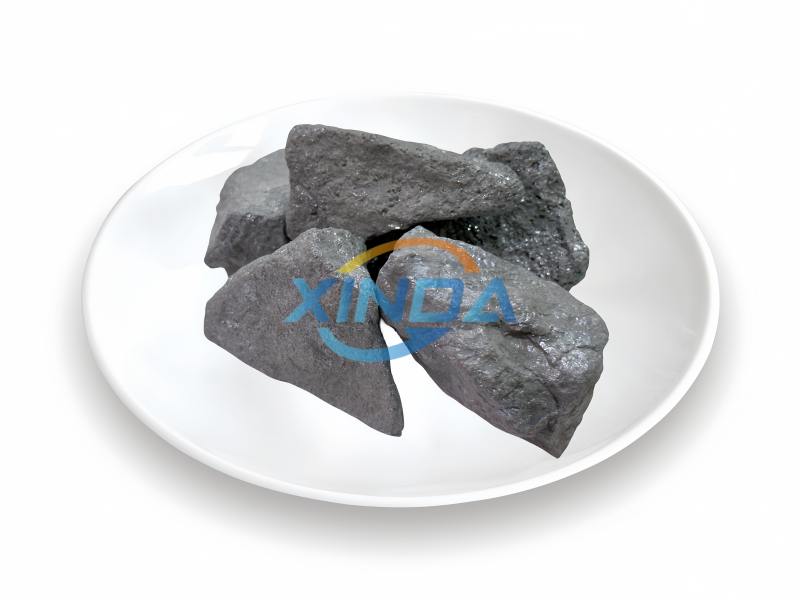
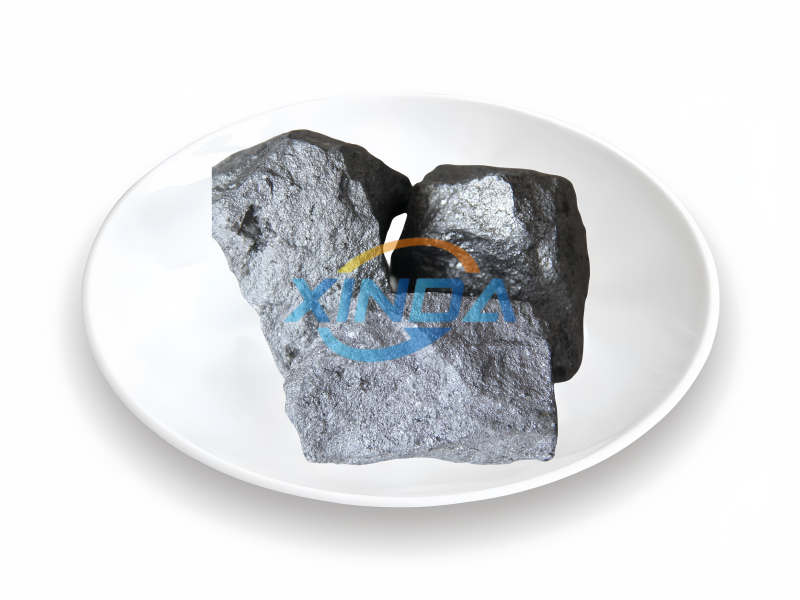
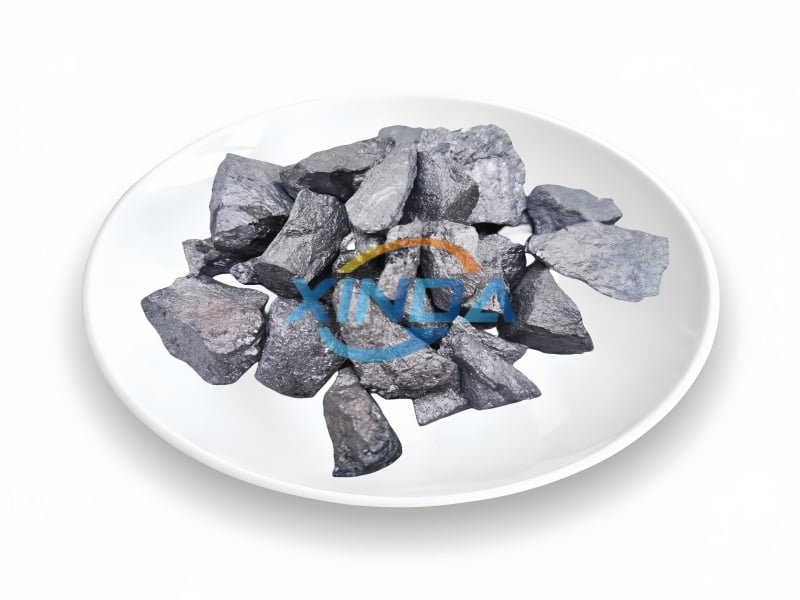
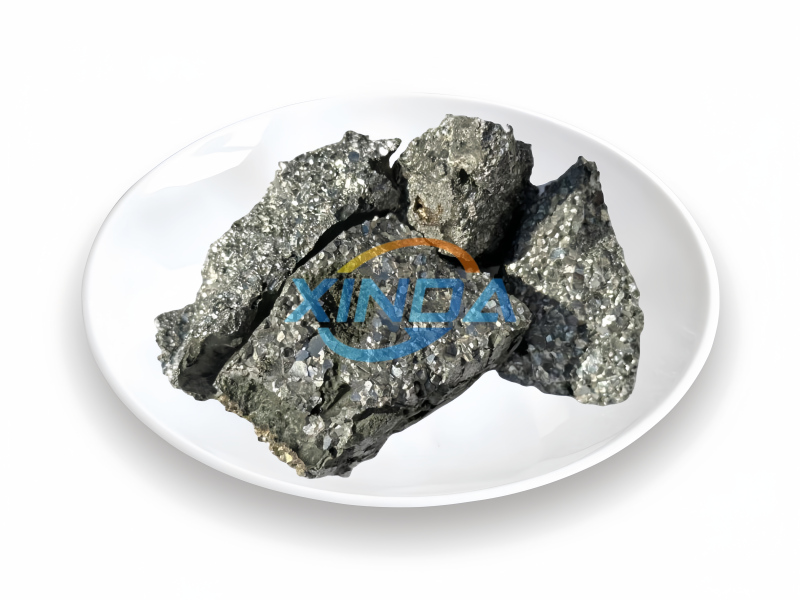
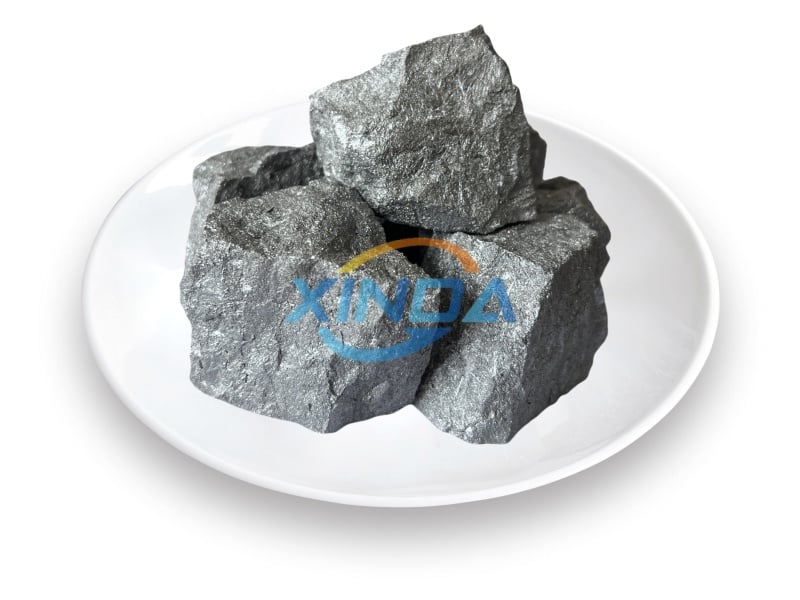
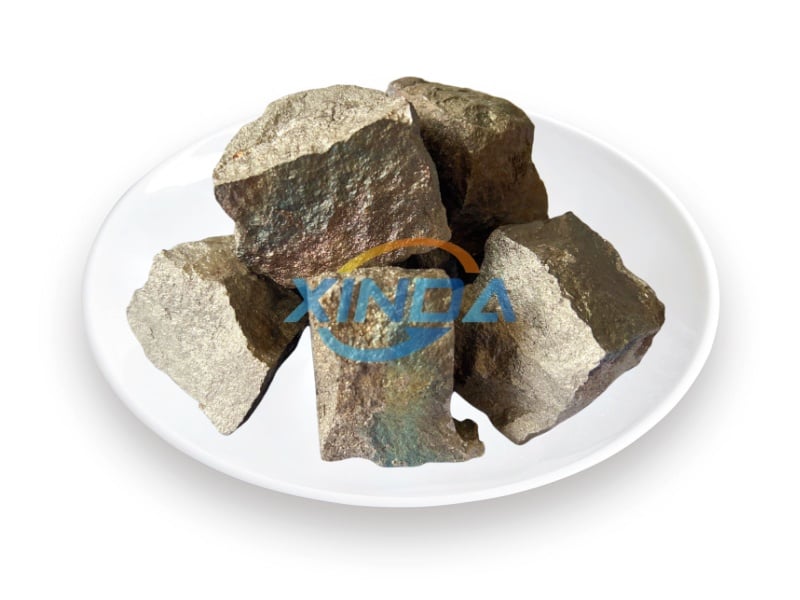
Silicon is a shiny metal, and we use it in many of the (really!) important things we use every day. Did you know that silicon metal pure is produced in specific plants called silicon metal plants? In this lesson, we will discover how pure silicon metal is created, what takes place inside a silicon metal factory, why the metal is so important and how its manufacturing process impact the environment.
The production of pure silicon metal begins with raw materials that are heated, melted, and then cooled to form a solid, shape-able material. These raw materials typically include silica, which is found in sand, and carbon, which comes from things like coal. These substances are combined and placed inside a special furnace. The furnace becomes very hot, causing the silicon to be removed from other elements, leaving behind pure silicon metal.
In a silicon metal material plant, there are machines and workers cooperating with each other to produce pure silicon metal. The materials are very accurately weighed and blended in dry form before being introduced into the kiln. After the materials are melted, the silicon metal is cooled and either formed into large blocks or small particles for transfer to and use in a variety of industries.
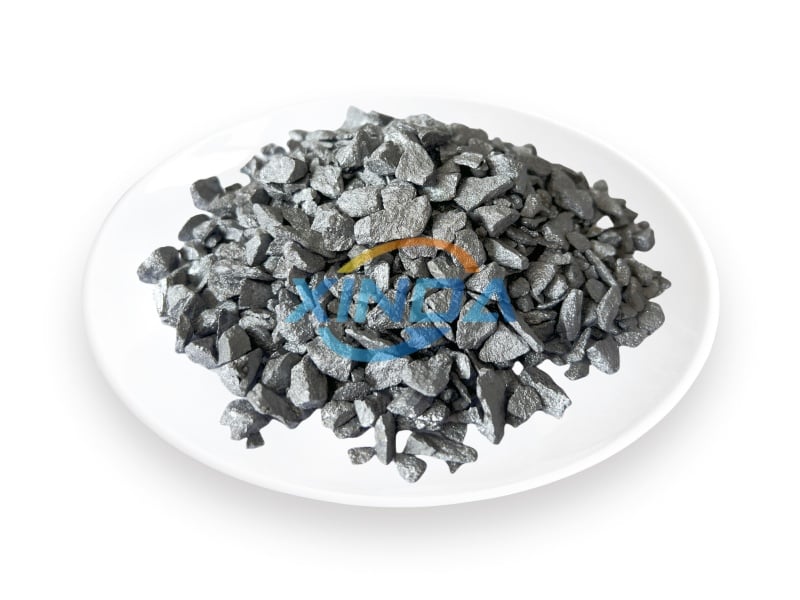
Silicon metal has many applications owing to its special characteristics. It is a durable, lightweight metal that does not easily corrode, which is why it does so well in electronics, solar panels and building materials. Silicon metal is also a crucial component in the manufacture of silicone, a flexible substance used in sealants, adhesives and medical products.
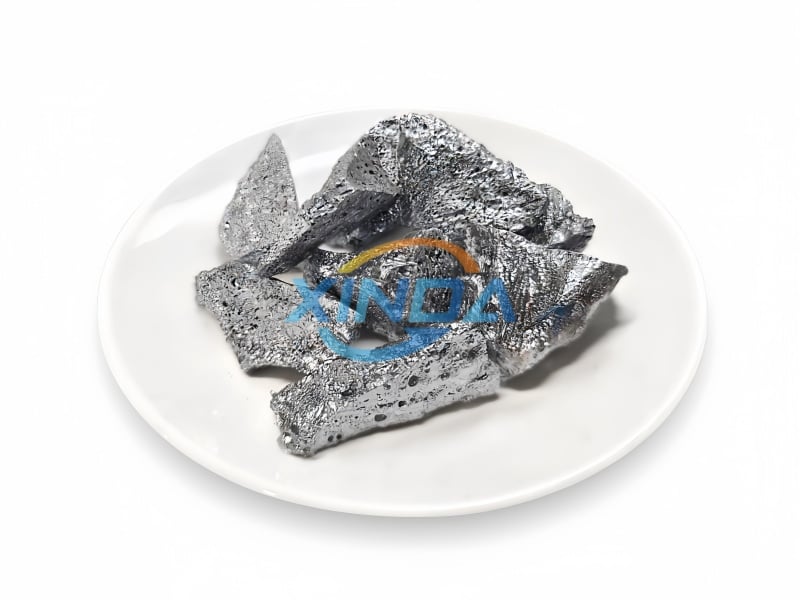
Silicon metal is of great significance in modern industry. If it weren’t for it, we’d have a lot of things that make our lives easier and more comfortable — like smartphones and computers or even buildings and bridges. Silicon metal could be used to develop new technologies and produce better products that we already use.
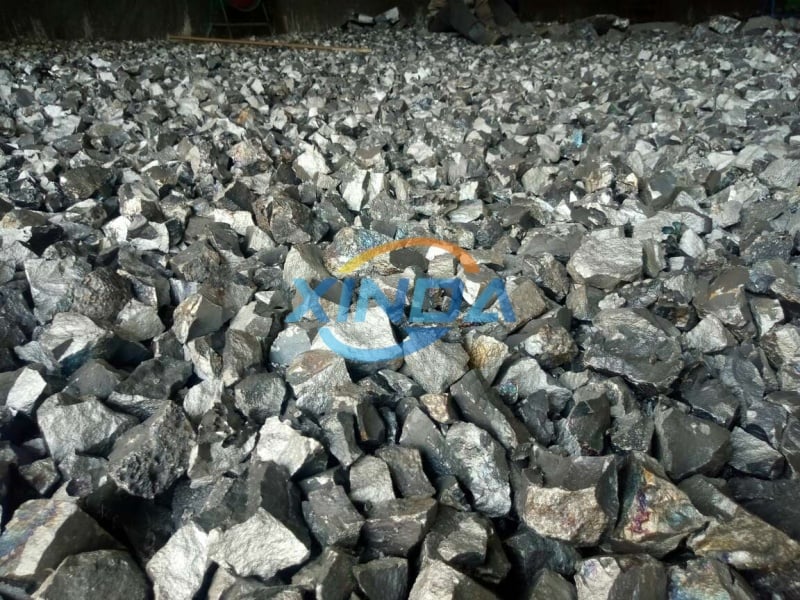
But it can also be hazardous to the environment to make silicon metal. When the raw materials in the furnace are melted, it releases gases into the air that are harmful, contributing to air pollution and climate change. Mining the silica for silicon metal can also damage the soil and water around it. It is also crucial that factories like Xinda search for ways to lessen their environmental footprint and operate in a more sustainable manner.
Xinda manufacturer concentrates on silicon series, like ferrosilicon, calcium silica, ferro silicon magnesium, ferro chrome, high carbon silicone, silicon slag, etc. warehouse around 5,000 tons. have long-term relations a variety of steel mills and silicon metal factory both in the US as well overseas. global reach includes more than 20 countries, including Europe, Japan South Korea India and Russia.
Xinda certified by ISO9001, SGS other silicon metal factory. have advanced and complete chemical inspection analysis equipment tested analytical methods that offer an independent guarantee the production top-quality products. Strict Inspection and control raw materials. Make prior to production, during production as well as final random inspection. We support third-party SGS, BV, AHK).
Xinda has more than ten years' experience exporting. team experts who can provide professional services customers. We offer every kind custom-made, such special requirements, sizes, packing and so on. are equipped with a range modern production equipment, well as the security-secured logistics system that assures a speedy efficient silicon metal factory to the destination within the stipulated time.
Xinda Industrial a professional ferro alloy manufacturer, situated in key iron ore silicon metal factory zone, we benefit from unique resource advantage. Our facility covers space 30,000 sq meters with registered capital of 10 million RMB. Established for over 25 years, company home to four submerged arc furnaces four refinery furnaces. have over 10years export experience have earned the trust of its customers.
 EN
EN
 AR
AR
 NL
NL
 FR
FR
 DE
DE
 HI
HI
 IT
IT
 JA
JA
 KO
KO
 PT
PT
 RU
RU
 ES
ES
 TL
TL
 ID
ID
 SR
SR
 UK
UK
 VI
VI
 TH
TH
 TR
TR
 FA
FA
 MS
MS
 BE
BE
 AZ
AZ
 UR
UR
 BN
BN
 GU
GU
 JW
JW
 KM
KM
 LO
LO
 LA
LA
 NE
NE
 PA
PA
 TA
TA
 TE
TE
 MY
MY
 UZ
UZ
 KU
KU
 KY
KY
 LB
LB
 SD
SD