 EN
EN
 AR
AR
 NL
NL
 FR
FR
 DE
DE
 HI
HI
 IT
IT
 JA
JA
 KO
KO
 PT
PT
 RU
RU
 ES
ES
 TL
TL
 ID
ID
 SR
SR
 UK
UK
 VI
VI
 TH
TH
 TR
TR
 FA
FA
 MS
MS
 BE
BE
 AZ
AZ
 UR
UR
 BN
BN
 GU
GU
 JW
JW
 KM
KM
 LO
LO
 LA
LA
 NE
NE
 PA
PA
 TA
TA
 TE
TE
 MY
MY
 UZ
UZ
 KU
KU
 KY
KY
 LB
LB
 SD
SD


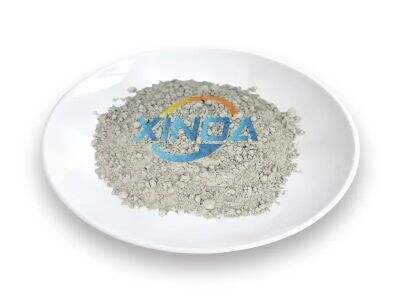
Ferrosilicon and Silicomanganese are two typical steels alloys. These products are essential to be used in the highest quality steels. It is important to know the structure, properties, applications of ferrosilicon and Silicomanganese in order to obtain their maximum values in steel making processes
A Comprehensive Comparison
Ferrosilicon and Silicomanganese are silicon–manganese alloys, but the former contains higher levels of these metals than does the latter. Ferrosilicon is generally 15% iron and 75% silicon, and contains small amounts of other elements such as aluminum or calcium. Silicomanganese, on the other hand, comprises about 60-68% manganese, about 14-16% silicon and about 2-3% carbon with additions of minor trace elements. These distinct compositions provides differences in properties and applications depending on the type of alloy
Composition and Properties of Ferrosilicon and Silicomanganese
Ferrosilicon or silicon-iron is a Ferroalloy, an alloy of iron and silicon with between 15% and 90% silicon. This alloy is often used in the steel making process to eliminate unwanted impurities and to improve the quality of the final product. Ferrosilicon is also used in the pigeon process to make magnesium from dolomite, it is good Deoxidizer in steelmaking field. and when producing high quality steel, such as structural steel, stainless steel and other bearing steels, ferrosilicon can improve the performance of oxidation. choosing 75% ferrosilicon can increase anti-oxidation ability of products used for vessel, this kind of product may not conduct fragmentation when meeting heat. 2. Application: (1) Ferrosilicon is often used as Deoxidizer in steel- making. On the other hand siLicomo 1 a on, is attractive for its higher level of manganese enrichment resulting in increased hardening and strengthening of steel. This ALLOY has its applications in making of low-carbon steels as it enhances the toughness and wear resistance property of the steel. In addition, it can decrease the smelting or attend melt sulfur effect of adding to for steel, improve the states such as welding performance and cutting treatment. Steelmakers can opt for the right alloy that best meets their individualized production requirements by knowing more about ferrosilicon and Silicomanganese’s distinct composition and performance characteristics
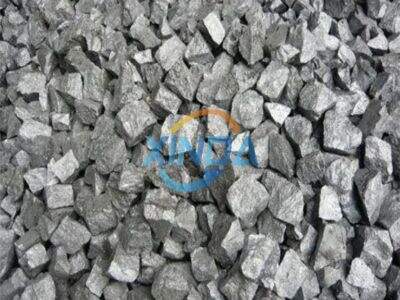
Benefits of using Ferrosilicon in Steelmaking
Ferrosilicon, for many reasons is an essential alloy in the steel industry. One of the primary advantages of using ferrosilicon in steel making is the deoxidizing and de-sulfurizing process that occurs during its use, creating superior final products. This alloy provides higher strength and hardness to the steel, thus making it more durable and ensuring that its wear is also reduced. Furthermore, ferrosilicon is used in the metallurgical industry due to these properties as well as helping control the size of iron grains. In general, the effect of ferrosilicon on steel is to produce higher quality steel with beneficial economic influences
Why Ferrosilicon is The Best Choice For Steel Manufacturers
Ferrosilicon is an ingredient used to manufacture steel and is favored by steel makers for several reasons. There are two reasons to choose ferrosilicon; the first reason is that it’s abundant and inexpensive, so it’s been used as an efficient reducing agent for mass production of steel. It is popular with manufacturers because it accomplishes a very quick removal of impurities from the steel. Additionally, ferrosilicon has a melting point much higher than that of steelmaking slags and so it reduces to an appreciable extent at least to the surface temperature of molten slag. In addition, it is also used as a modifying agent and to isolate electrical silicon steel from molten steel. Ferrosilicon can also be used for atomization of its alloy as a Deoxidizer and other alloying elements in the smelting process
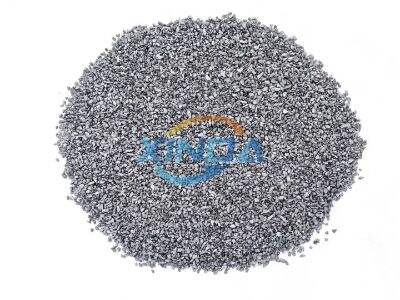
Ferrosilicon Vs Silicomanganese Differencesleground:Contributors should have a basic knowledge about the different products competing with each other
Although they are both vital alloys utilized in steelmaking, ferrosilicon and Silicomanganese vary because their properties make them optimal for different processes. Ferrosilicon is mainly used for de-oxidization and desulfurization of steel, as material of alloy additive used in various kind of steel such as heat-resistant, wear-resistant and other special varieties. Silicomanganese, on the other hand, is predominantly used to enhance steel’s hardenability and tensile strength, as well as its resistance to wear and abrasion. Silicomanganese also has a relatively high Mn content of ferrosilicon, thus its chemical composition and performance in steel making process is different. In closing, ferrosilicon and Silicomanganese are widely different alloys that steel makers should know the differences of when deciding what alloy to use for their specific production requirement
Thereby, ferrosilicon is an indispensable material in the steel industry with its excellent performance and it has been favored by more and more steel producers. By comparing differences in ferrosilicon vs. Silicomanganese, manufacturers receive a better idea as to what alloy would be best used for their set of production conditions that need to be attended to. XINDA is committed to supply best quality ferrosilicon suitable for steel making industry, which will enable you to produce top quality steel and steel products in different application
Table of Contents
- A Comprehensive Comparison
- Composition and Properties of Ferrosilicon and Silicomanganese
- Benefits of using Ferrosilicon in Steelmaking
- Why Ferrosilicon is The Best Choice For Steel Manufacturers
- Ferrosilicon Vs Silicomanganese Differencesleground:Contributors should have a basic knowledge about the different products competing with each other


